Image by spaceodissey
If you’ve been reading this blog for awhile, you know that we believe in quiverfull. As such, we don’t use any form of birth control, or any form of fertility enhancements (read: drugs). Such things are against our beliefs, but they are also unhealthy for everyone. Drugs that control your hormones can mess up your body’s ability to self-regulate and can cause fertility problems and other issues down the line. Fortunately, there are natural alternatives.
Natural Family Planning
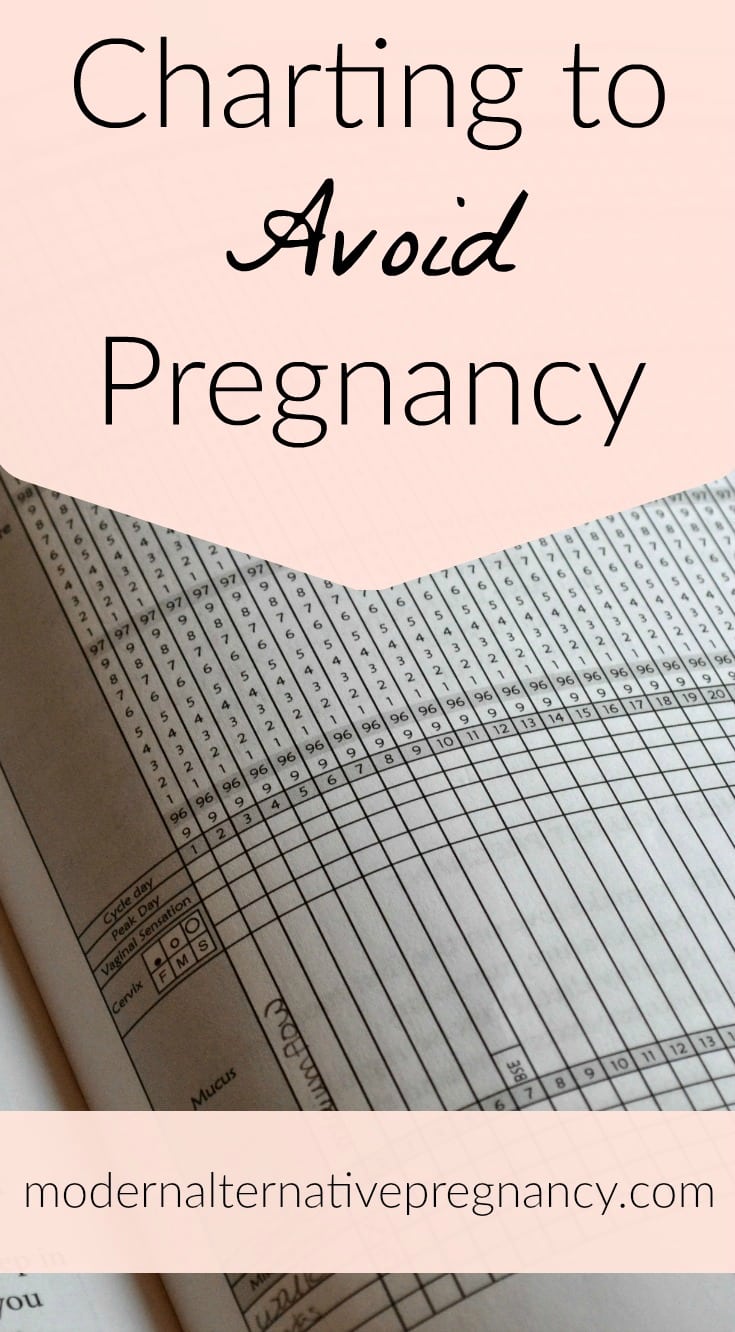
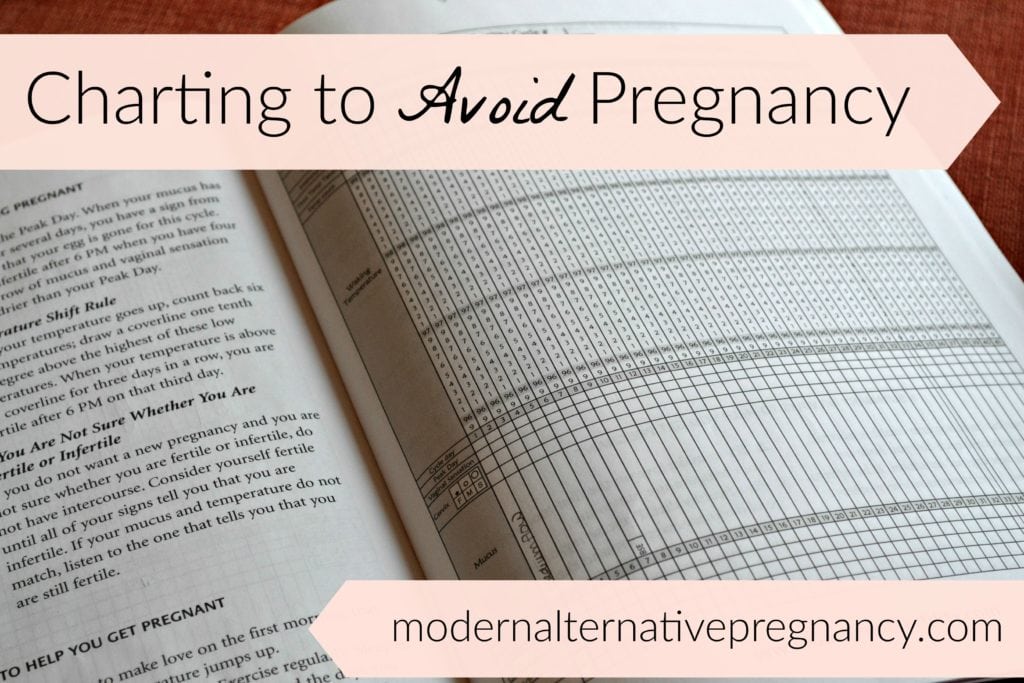
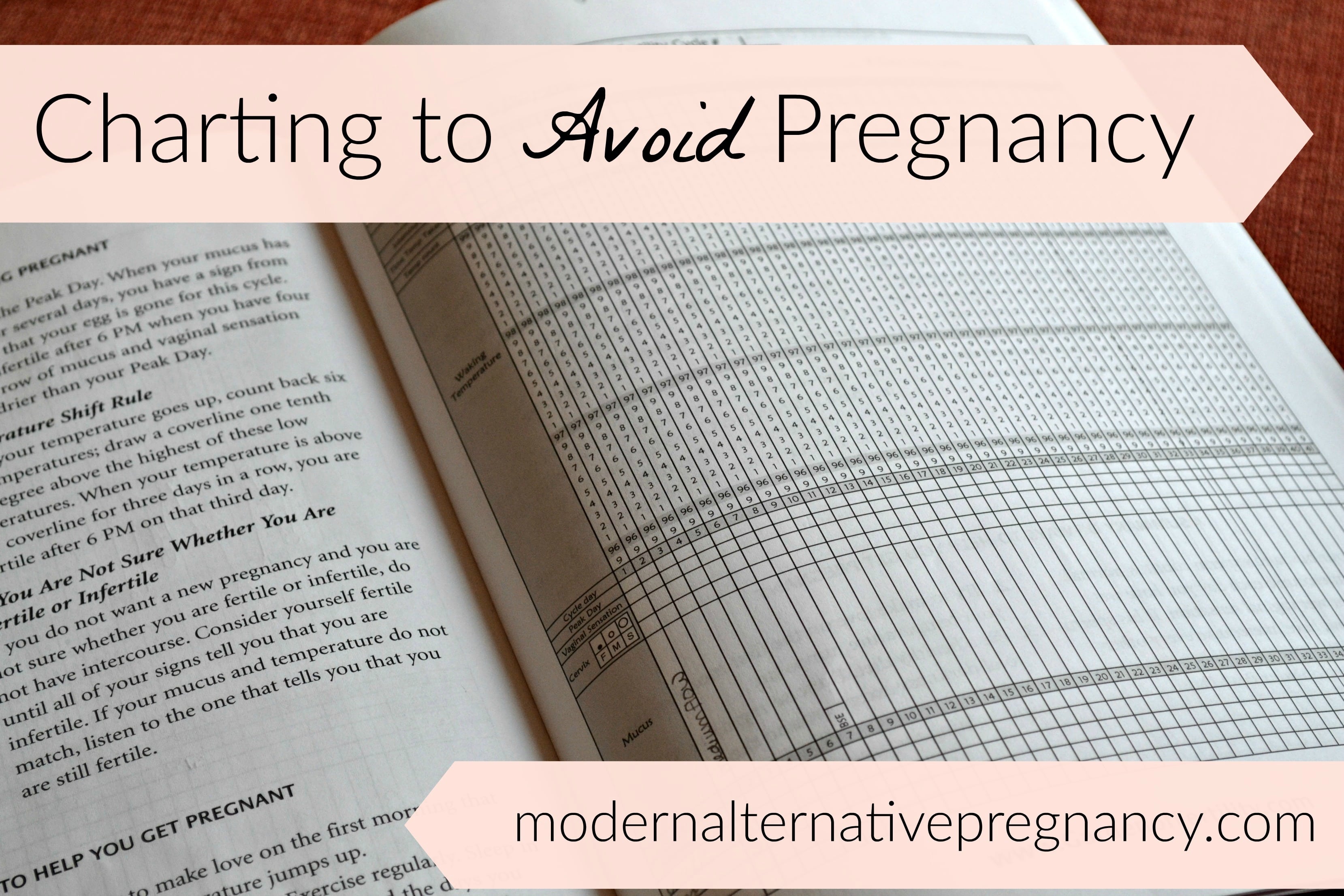
Natural Family Planning is a method of fertility — both avoiding pregnancy and attempting to get pregnant — that uses no drugs or any alterations, but simply paying attention to your body’s natural rhythms and working with them. I have gotten pregnant twice using this method! There are several signs to pay attention to, and I’ll describe each briefly below:
Temperature
Take your temperature each morning immediately upon waking and before rising. This works best if it is done at the same time each day. The day after ovulation, you will see a slight shift upwards, typically .2 or .3 degrees, and the shift will be sustained until you have your period. When your period is expected, it will drop back to pre-ovulation levels. Your temperature will confirm that you are ovulating, and can give you an idea of when to expect ovulation once you have charted at least three cycles. By knowing when you ovulate, you can choose to have sex around ovulation to conceive, or avoid the three to five days before and the day after in order to avoid conception.
Cervical Position
Your cervix can vary from very low to very high, depending on the point you are at in your cycle. When your period starts (and just before/after), it is low and closed (opens slightly during your period, but closed before/after). As you near ovulation, your cervix will rise and open. You may notice your cervix starting to rise up to a week before ovulation, and it should be at its highest point the day or so before and the day of.
Cervical Mucus
Mucus (cervical discharge) also varies by point in the cycle. After your period it should be basically dry, very little discharge. (During your period, it’s just…your period.) After a few days, the discharge will turn sticky and be only small amounts, then turn creamy or lotiony and white or yellowish. As you approach ovulation, the discharge will thin out and turn clear and watery. Watery discharge is prior to ovulation, but means it is close, so it should be considered fertile. On the day of ovulation, you will notice clear, stretchy, jelly-like discharge. It is very much like raw egg whites, and will stretch very far between two fingers. This is the most fertile cervical mucus (and it’s why some women use raw egg whites as lubrication when they’re trying to conceive) and means ovulation is occurring or is about to occur.
Cervical Texture
During and after your period, your cervix is hard, much like the tip of your nose, and rather tight. As you approach ovulation, it will open and spread and become soft and spongy, feeling more like the inside of your bottom lip. It will then firm up and drop down again, even if you are pregnant (initially). As it happens, it is also soft like this when pregnant, although it is closed. Some women suspect pregnancy if, at the end of their cycles, their cervixes remain high, soft, and closed instead of returning to the low and hard texture/position they should before their periods. However, this change happens at various points of pregnancy for different women (it could occur days or weeks after you miss your period), so a low, firm cervix after ovulation does not mean you cannot be pregnant.
Other Signs
Some women find that they are bloated, sore, cramping on one side, emotional, or have other personal signs as they approach ovulation. Many women find that they simply “know” when they ovulate after spending time paying attention to their bodies.
By being in tune with your body, it is easy to either avoid a pregnancy, or get pregnant. Personally, it took us two months to get pregnant with Bekah (and I was very stressed the first month, which may have affected things) and only one month to get pregnant with Daniel, using these methods. It can also help you to know when something is wrong with your body, if you are intimately familiar with its rhythms. You can read even more about this method here.
The Risk of Other Methods
To turn to another issue, WHY should you bother with this method when taking a pill or putting on a condom is so much easier? Nothing to chart, nothing to remember, nothing to pay (much) attention to. Pills and condoms also allow you to have sex whenever you feel like it, without the risk of pregnancy, while NFP requires you to abstain for a few days out of the month. However, by using hormonal birth control methods, you are putting yourself at serious risk.
This study found that birth control users can suffer from chronically low testosterone (which is needed for proper sex drive and helps conception), mental health issues (depression), and more. Long-term side effects from the pill have not been studied thoroughly, so this recent research, which hints at long-term issues, is even scarier.
The “pill” can cause many other issues, too. It works primarily by causing a woman’s body to produce large amounts of estrogen. Dr. Carolyn Dean discusses the risks here. To summarize, estrogen can cause various forms of cancer, increased risk of heart attack or stroke, benign liver tumors, mood swings, weight gain, and more. These risks absolutely do not outweigh any benefit of taking these pills.
Any time we put chemicals in our bodies, we are taking a risk. Changing our body’s chemistry or messing with it can have serious long-term consequences. Some women who take the pill, especially versions that actually suppress their periods (either entirely, like Depo Provera, an injectable hormonal method; or only temporarily, like Seasonale, which limits a woman’s periods to 4 times per year) have fertility issues when they do decide they want to conceive. This leads to using further hormones, like Clomid, to fix the problem that shouldn’t have been created in the first place. The solution is to just get away from all of these chemicals and to eat a healthy diet, which will regulate a woman’s cycle and make her truly healthy. Weston A. Price has a pre-conception plan as well as a pregnancy and lactation diet that can increase chances of conception and a woman’s health during reproduction.
There are even issues with using tampons and other chemical-filled disposable pads (same chemicals are in disposable diapers, which is why we don’t use them), but that’s for another blog post!
What do you do for birth control, if you use it? Does any of this information surprise you?
Like what you've read? Subscribe so you never miss a post! You can also follow us on Facebook or Pinterest. Thanks for reading!
TESTING!
I do use the pill, but I use the lowest dose pill I can (took me 3 pills to find one my body responded to) and still get the no baby effects. I do know the risks of taking it, but at this point in my life (attempting to finish up flight school; if I got pregnant now, I'd have to wait until after the baby was born + 6 weeks maternity leave + however long it took me to get back into shape to pass a PT test + the rest of flight school time, of which I do have another 4 month course after this one…ugg) it would throw such a huge wrench into the works that I don't know how I could continue where I am.
Nathan and I also are trying to work on our relationship before we consider having a family beyond the two of us. Maybe at some point where I know that my future is state-side, not overseas, I might consider, but most likely not until I'm out of the Army as I want to raise my own kids, not someone else.
Speaking of tampons/pads, have you ever heard of the Diva Cup? Highly recommend it…reduced my cramps to next to nothing, gets changed every 8-12 hours (soap and water to clean during the period, then boiled after) and is made of surgical grade silicone. Highly recommend it – it's amazing. I bought mine on Amazon.
Thirty control pills, shots and devices have synthetic hormones in them that cause the lining of the endometrium to thin making it inhospitable to a fertilized embryo (a newly formed human). No birth control method is 100 percent safe except for abstinence during the fertile period.
I don’t take the pill for the reasons you stated as well as the fact that I couldn’t find one that my body liked that didn’t prevent implantation of a fertilized egg. Preventing implantation based on my biblical conviction is aborting a life and I wasn’t ok with that. Now we use a mix of natural family planning and condoms.
Kate, Thanks so much for sharing this information. I have been on the pill since I got married 7 or 8 months ago. I did not want to go on it but it seemed like our only “safe” option. Now that my husband and I are switching our way of eating and living to follow Weston A Price, and the Maker’s diet I find its contradictory to have me on a hormone altering pill. This article will be very helpful in explaining to my husband why we need to consider NFP. Do you have any books that you would recommend for learning the method?
We don’t believe in birth control either, and I’ve had 4 of my own little blessings with 1 on the way. I’m glad I’ve found your site, lots of great information right in line with our families beliefs.
Hi Aly,
Years ago, my husband and I took classes through the Catholic Church to learn NFP. ( We are not Catholic) Here is a link to their resources: http://ccli.org/productsservices/nfp-materials/manuals.php There is another group giving classes as well. The link to their resources is: http://www.nfpandmore.org/ourbooks.shtml
Enjoy your journey!
Charlene
I wanted to add, for those interested in Natural Family Planning or Fertility Awareness Method, there is a great forum:
http://www.christianfamilyplanning.net
They even have a course on in to help you learn the basics!
Taking Charge of Your Fertility is a book that tells you how to track what your body is doing in order to avoid or get pregnant. (I believe they call their approach the Fertility Awareness Method.) Very similar in some ways to a book I read on Natural Family Planning (out of print?). The book is on their site (http://www.tcoyf.com/), but I’m pretty sure you can find it at a number of other locations such as Amazon, etc. I found one at my local library.
This subject drives me crazy because I would like to do Natural Birth Control but I haven’t the foggiest idea if I should. I’ve been on the pill ever since I had a 15 pound ovarian cyst removed, which most unfortunately took my right ovary and Fallopian tube with it. The pill was prescribed to protect the other ovary. But I hate taking it so very much. Besides the obvious, I feel its standing between me and losing weight so that I’ll be healthy for pregnancy.
When the cyst was removed, I was 250 even, then 235 once the cyst was out. Now I can’t seem to lose weight for anything and hit my all time high of 275. I don’t stay there but its really jarring to gain weight while trying to lose it.
I’m currently researching better eating habits but I can’t help feeling that the medication is contributing to me getting no where. I am going to talk to my CNM about this but I was just wondering what others thought of this. It’s a huge block between my husband and I having children.
Thank you Kate for being will to be frank about these issues!
Wow, what an informative blog post especially about birth control I was on a low dose birth control pill and have been off of it for a month now. I feel so much better of it. I have problems with depression and mood swings and I feel like the pill was making matters worse on top of that I felt like it was making me feel sick with cramps, nausea, headaches and such. I always believed that the pill isn’t good for you my partner and I hate using condoms and I don’t want to put anything with spermacide inside of me so we felt the pill was a better option.